
When V.D. Satheesan took office as the twenty-fourth Chief Minister of Kerala, a new dawn of hope rose in the minds of the people. The dream of a new Kerala, different from the traditional style of governance, has taken root in the hearts of the people. Every Malayali is convinced that real development still needs to happen in Kerala. In this era when the world is changing rapidly, the realization that Kerala must also change has become our collective responsibility. Political will alone is not enough to draw a new map of development; the mental attitudes and perspectives of the people must also change.
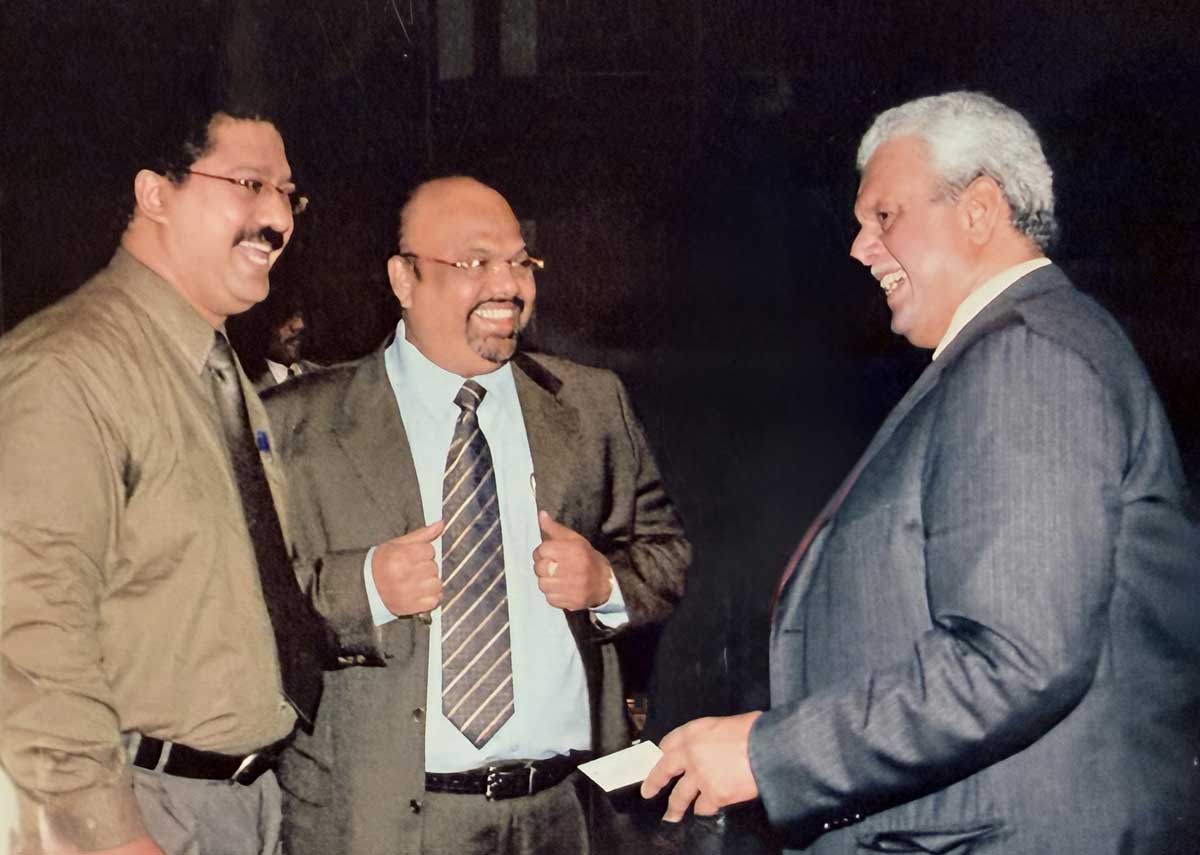
When A.K. Antony was the Chief Minister of Kerala, the Kerala Development Seminar, organized by Qatar Incas at the Doha Sofitel Hotel twenty-four years ago (2002), remains fresh in my memory even today. The seminar was a historic event that served as a policy-making platform for expatriate Malayalis, attended by then UDF convenor Oommen Chandy and KC Joseph MLA. Led by leaders such as Adv. C.K. Menon, K.C. Varghese, Varghese Chacko, K.K. Usman, Joppachan, K.K. Sudhakaran, and women leaders like Adv. Shabeena Moideen, Annie Varghese, and Shobha Balamurali, the platform was an initiative that proposed practical solutions for the development of Kerala. Profound papers on investment projects in Kerala, tourism development, women empowerment, Kerala-Arab cultural exchange, and economic cooperation were presented and formally handed over to Oommen Chandy. It is a regrettable reality that later platforms like the Loka Kerala Sabha deviated from their original purpose and were reduced to mere political networking events. Much earlier, the seminar held in Doha was the first exemplary initiative to leverage the experience of the diaspora for the development of the state.


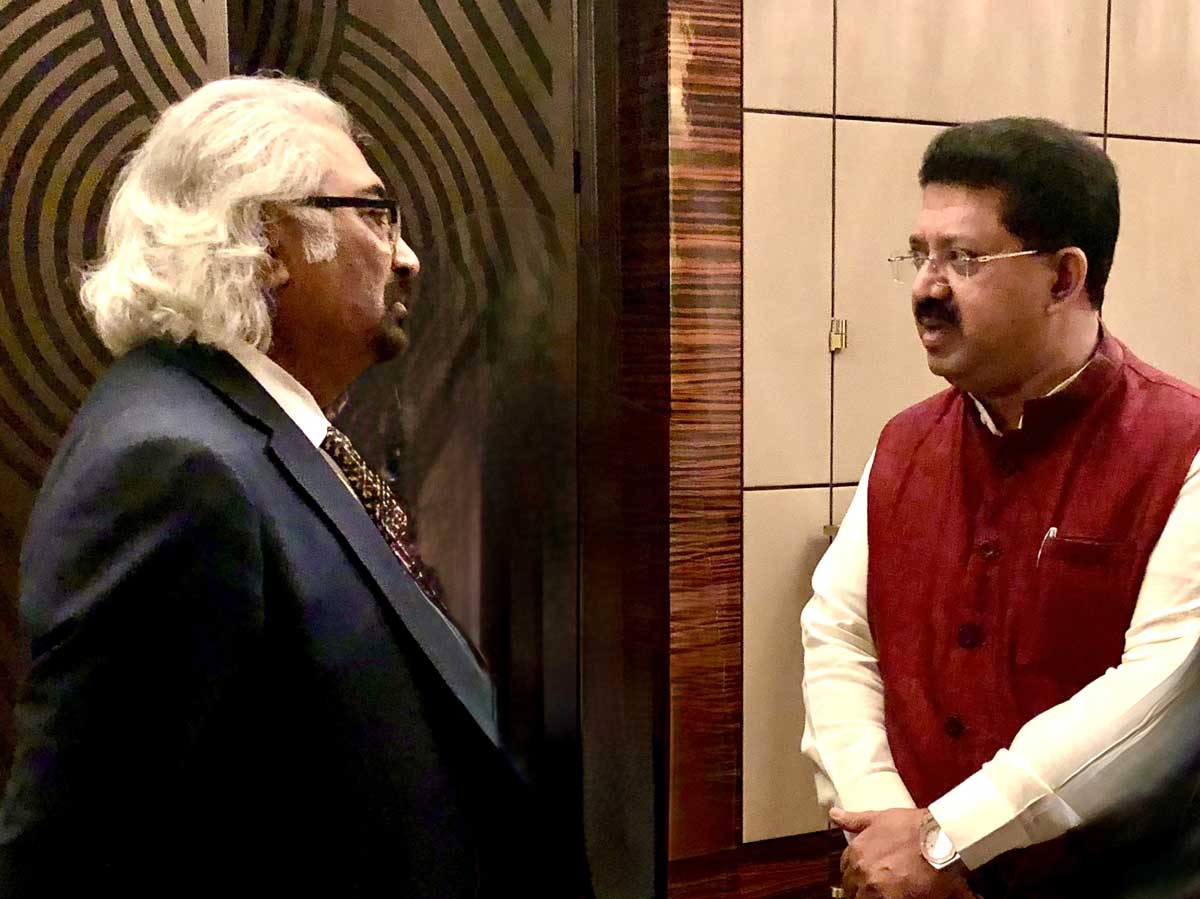
As an INCAS office bearer, while delivering the presentation speech at that seminar, I paid special attention to two things. Firstly, I focused on the touching words spoken by technology expert and father of Digital India, Sam Pitroda, at the FOKANA conference in the United States. He stated that the best intellectual capital in India is in Kerala and that he would be ready to come to Kerala for just one rupee salary if given the opportunity to lead a mission for Kerala’s development. I recalled Sam Pitroda’s words and urged the Kerala government to welcome Sam pitroda , as they reflect the global belief in Kerala’s potential.

The second point I raised was another policy suggestion. Just as Korean and Chinese companies have succeeded in large projects in Arab countries, joint ventures should be formed in Kerala under the Public-Private Partnership (PPP) model to participate in construction and development projects in Gulf countries. We have the success stories of Korean and Chinese companies undertaking large-scale construction projects in these regions. This model remains relevant today if we harness Kerala’s technical human resource capacity and expatriate experience.
The most remarkable thing is that these suggestions did not go unnoticed. Later, when Oommen Chandy became Chief Minister, he brought Sam Pitroda in as Chief Development Advisor and mentor for Kerala’s development. Pitroda’s expert advice and international connections were crucial for important initiatives, including the planning of the Kochi Metro, the Vizhinjam International Port Project, Smart City Projects, and building an IT-based knowledge economy through the Emerging Kerala Investors’ Conference. This serves as an example of how ideas raised at an expatriate forum can directly influence state policymaking, proving that expatriate voices can indeed make a difference.
However, along with this, I recall another experience. In 2005, Qatar’s Deputy Prime Minister and Minister of Energy and Industry, Chairman of Qatar Petroleum, Abdullah bin Hamad Al Attiyah, arrived in Kochi to inaugurate Petronet LNG. He spoke openly about Kerala’s natural beauty and expressed Qatar’s willingness to explore the possibility of collaborating with the state in investing here. Unfortunately, the follow-up about his visit is not not known . Such ideas still hold potential. Let’s hope the new government pays attention to this issue.
If Kerala can ensure the necessary facilities, build trust and provide timely support for foreign investors, it will soon become a new center for investment opportunities.
We should learn how the Gulf countries have transformed deserts into modern cities. Dubai, Qatar, Saudi Arabia, and Kuwait have all become centers of attention in the world due to their far-sighted leadership and investment-friendly policies. Singapore and South Korea, despite being small countries, have emerged as world powers by investing significantly in education and technology. Kerala has much to learn from these models. We have unparalleled natural beauty, a highly educated population, and a strong diaspora community spread across the globe. We must be able to effectively utilize this invaluable capital. We can draw on the experiences of China and Korea which have successfully turned their diaspora communities into development partners.
However, the most important change that needs to occur is in our mental outlook. Before we build roads, bridges, and airports, there must be a fundamental shift in our mental infrastructure. Old political styles and partisan or religious animosities should be set aside, and the people should unite in the name of development. The new government that has come to power in Kerala should organize development seminars at the district level, accurately identify local needs and possibilities, and create a peaceful and friendly atmosphere for the success of these projects. We must completely free ourselves from the culture of undermining any good project with red tape, uncooperative labor disputes, and hartals. Development is not the agenda of a single party but the need of the entire populace.
The people are confident that the new government led by V.D. Satheesan will mark the beginning of this change in direction. However, development cannot be achieved by the government alone. The talents of Kerala’s youth, as well as the knowledge, experience, and capital of over four million expatriate Malayalis around the world, should be effectively harnessed for the development of the state. World-class enterprises in the fields of tourism, IT, healthcare, higher education, modern agriculture, and food processing should thrive in Kerala. To achieve this, bureaucratic hegemony and red tape must be eliminated. A new culture that welcomes investors should be fostered.
A new Kerala is possible. It is not just a dream, but a goal that can be realized with willpower and collective action. For this change to happen, each of us must be willing to change from within. We need the maturity to stand firmly on the side of development, regardless of politics. The world is changing rapidly; Kerala must change too ,for the bright future of our children and for the betterment of our state.