
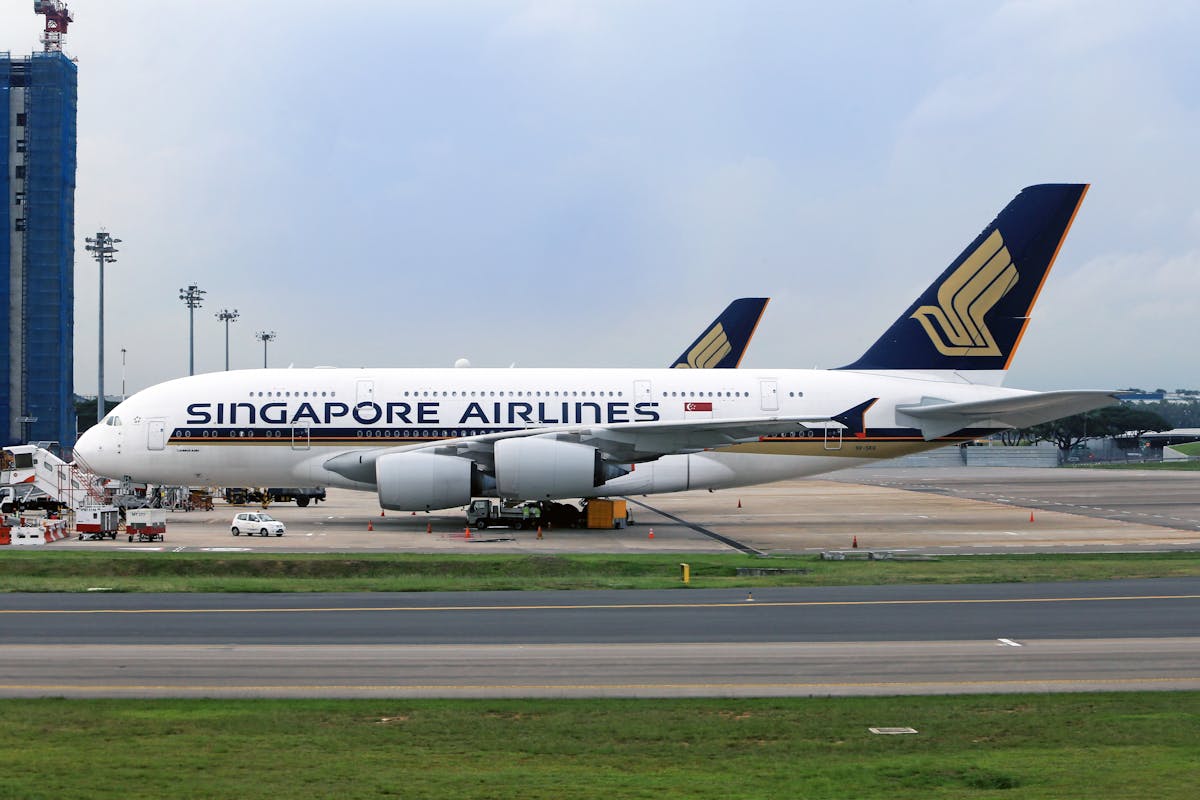
What began as a strategic minority investment is now steadily transforming into an operational intervention. Singapore Airlines, long regarded as one of the world’s most disciplined and high-performing carriers, is no longer content with a passive 25.1% stake in Air India. It is stepping into the cockpit – figuratively and increasingly, operationally.
According to multiple industry sources and reports, SIA has embedded experienced executives across critical verticals within Air India, particularly in flight operations, engineering and maintenance – areas that define safety, reliability, and long-term credibility. This is not a symbolic presence. It reflects a deeper structural shift: from investor oversight to operational stewardship.
The backdrop to this move is far from ordinary. Air India’s ambitious revival under the Tata Group – following its landmark reacquisition in 2021 – has encountered an unusually harsh convergence of external shocks and internal vulnerabilities. Airspace restrictions over Pakistan have inflated operating costs on long-haul routes. Geopolitical instability in the Middle East has disrupted a key revenue market. Meanwhile, volatile fuel prices and a softening premium demand environment have strained margins.
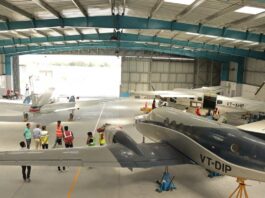
But beyond these macro pressures, internal challenges have amplified concerns. Persistent issues around fleet readiness, maintenance planning, and regulatory compliances have weighed heavily on operational performance. Internal groups, based on regionalism, in the engineering and maintenance department are often at loggerheads to each other and thereby sacrificing the overall interests of the airline. The tragic Air India Flight 171 crash involving a Boeing 787 – resulting in over 240 fatalities – marked a critical inflection point. It not only dented passenger confidence but also intensified global regulatory scrutiny, particularly from European authorities monitoring safety compliance and airworthiness practices.
Financially, the strain is evident. Air India’s reported losses of approximately $2.4 billion in the latest fiscal year have begun to materially impact SIA’s own balance sheet, with losses from associated companies – largely Air India – touching S$178 million in the December quarter alone. For an airline known for precision and profitability discipline, such figures are difficult to ignore.
What is emerging now appears to be a deliberate and structured division of responsibility between the two stakeholders. The Tata Group continues to anchor the commercial, financial, and strategic aspects of the airline – areas aligned with its broader ecosystem capabilities. SIA, on the other hand, is focusing on the operational core – bringing its globally benchmarked expertise into areas where execution gaps have been most visible.
This evolving arrangement raises important questions for the broader aviation and corporate world. Can operational excellence be “injected” into an airline through minority ownership? Or does true turnaround demand alignment between control and accountability?
From an industry standpoint, SIA’s deeper involvement could prove transformative – not just for Air India, but for Indian aviation as a whole. If executed effectively, it may elevate operational standards, strengthen engineering reliability, and rebuild global confidence in the flag carrier. However, such integration is rarely frictionless. Cultural alignment, decision-making authority, and speed of execution will determine whether this partnership becomes a model for cross-border airline collaboration – or a cautionary tale.
At the leadership level, the coming months will be decisive. Discussions between SIA CEO Goh Choon Phong and Tata Group Chairman Natarajan Chandrasekaran are expected to shape the next phase – covering capital infusion, governance clarity, and leadership succession following CEO Campbell Wilson’s planned exit. Additionally the senior management levels, many not suitable to the positions of responsibility they hold, have been observed to be more involved in personal one-upmanship and playing petty politics at the inter-personnel level.
Air India’s story was meant to be one of revival. It is now becoming a test case in how far a minority partner can go to protect its investment – and whether operational expertise can succeed where capital and intent alone have struggled.
One reality, however, is already evident: Singapore Airlines is no longer just watching the turnaround. It is actively flying it.